Prenatal Massage: Enhance Comfort During Pregnancy
- Thanaporn MOrton
- Apr 28
- 4 min read

Pregnancy is a beautiful journey, but it often comes with its share of discomforts. As the body undergoes significant changes, many expectant mothers experience aches, pains, and stress. One effective way to alleviate these discomforts is through prenatal massage. This therapeutic practice not only enhances physical comfort but also promotes emotional well-being. In this post, we will explore the benefits of prenatal massage, techniques used, and tips for finding the right therapist.

Understanding Prenatal Massage
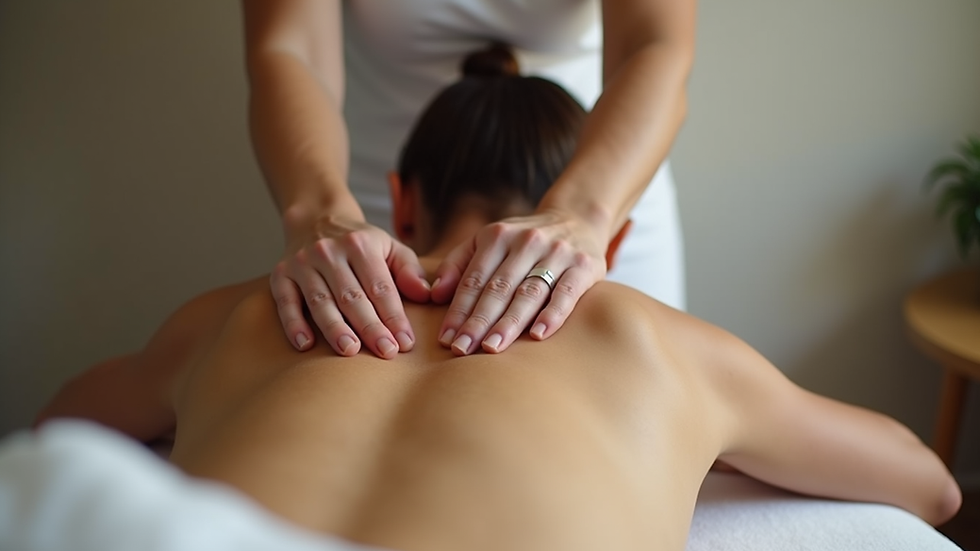
Prenatal massage is a specialized form of massage therapy tailored for pregnant women. It focuses on the unique needs of expectant mothers, addressing common issues such as back pain, swelling, and anxiety. Unlike regular massage, prenatal massage is performed with the safety and comfort of both the mother and baby in mind.
Benefits of Prenatal Massage
Pain Relief
Many women experience back pain, hip pain, and joint discomfort during pregnancy. Prenatal massage can help alleviate these issues by relaxing tense muscles and improving circulation.
Reduced Swelling
As the body retains more fluid during pregnancy, swelling in the legs and feet is common. Massage can stimulate lymphatic drainage, helping to reduce this swelling.
Improved Sleep
Pregnancy can disrupt sleep patterns. Regular prenatal massage can promote relaxation and help mothers-to-be achieve better sleep quality.
Stress Reduction
The emotional ups and downs of pregnancy can be overwhelming. Massage therapy can lower cortisol levels and increase the production of serotonin and dopamine, promoting a sense of well-being.
Enhanced Bonding
Prenatal massage can also create a deeper connection between the mother and her baby. The soothing touch can help mothers feel more in tune with their bodies and their growing child.
Techniques Used in Prenatal Massage
Prenatal massage incorporates various techniques to ensure safety and effectiveness. Here are some common methods:
Swedish Massage
This gentle technique uses long, flowing strokes to promote relaxation and improve circulation. It is particularly beneficial for relieving tension and stress.
Deep Tissue Massage
While deep tissue massage is typically more intense, during pregnancy, it is adapted to focus on specific areas of discomfort without causing strain. This technique can help release chronic muscle tension.
Trigger Point Therapy
This method targets specific points of tension in the muscles. By applying pressure to these points, therapists can help alleviate pain and discomfort.
Positioning
Proper positioning is crucial in prenatal massage. Therapists often use special cushions or pillows to support the mother’s body, ensuring comfort and safety throughout the session.
Finding a Qualified Prenatal Massage Therapist
Choosing the right therapist is essential for a safe and effective experience. Here are some tips to help you find a qualified prenatal massage therapist:
Check Credentials
Ensure the therapist is licensed and has specialized training in prenatal massage. Look for certifications from recognized organizations.
Ask About Experience
Inquire about the therapist’s experience with pregnant clients. A therapist who has worked with expectant mothers will be more familiar with the specific needs and concerns.
Read Reviews
Look for testimonials or reviews from other pregnant women. Positive feedback can provide insight into the therapist’s skills and approach.
Schedule a Consultation
Before committing to a session, consider scheduling a consultation. This allows you to discuss your needs and concerns and gauge the therapist’s approach.
Trust Your Instincts
Ultimately, choose a therapist you feel comfortable with. Trust your instincts about their professionalism and ability to meet your needs.
Safety Considerations
While prenatal massage is generally safe, there are some important considerations to keep in mind:
Consult Your Doctor
Always consult your healthcare provider before starting any new therapy during pregnancy, especially if you have any medical conditions or complications.
Avoid Certain Areas
Some areas of the body, such as the abdomen and certain pressure points, should be avoided during pregnancy. A qualified therapist will know which areas to focus on and which to avoid.
Listen to Your Body
Pay attention to how your body responds during the massage. If you feel any discomfort or pain, communicate this to your therapist immediately.
When to Consider Prenatal Massage
Prenatal massage can be beneficial at any stage of pregnancy, but many women find it particularly helpful during the second and third trimesters. This is when physical discomfort tends to increase as the body adjusts to the growing baby.
Frequency of Sessions
The frequency of prenatal massage sessions can vary based on individual needs. Some women may benefit from weekly sessions, while others may prefer bi-weekly or monthly treatments. Discuss your preferences and needs with your therapist to determine the best schedule.
Preparing for Your Prenatal Massage
To make the most of your prenatal massage experience, consider the following tips:
Stay Hydrated
Drink plenty of water before and after your massage to help flush out toxins and keep your body hydrated.
Wear Comfortable Clothing
Opt for loose, comfortable clothing that allows for easy movement. Many therapists provide draping for privacy and comfort.
Arrive Early
Arriving a few minutes early allows you to relax and prepare mentally for the session.
Communicate Your Needs
Be open about any specific areas of discomfort or concerns you have. This will help your therapist tailor the session to your needs.
Relax and Enjoy
Allow yourself to unwind and enjoy the experience. Focus on your breath and let go of any tension.
Conclusion
Prenatal massage is a valuable tool for enhancing comfort during pregnancy. By addressing physical discomfort and promoting emotional well-being, it can significantly improve the overall experience of expectant mothers. If you’re considering prenatal massage, take the time to find a qualified therapist and communicate your needs. Remember, this journey is about nurturing both you and your baby, and prenatal massage can be a wonderful way to support that process.
As you embark on this beautiful journey, consider incorporating prenatal massage into your self-care routine. Your body and mind will thank you for it.


Comments